Reduced fares and campus transit programs
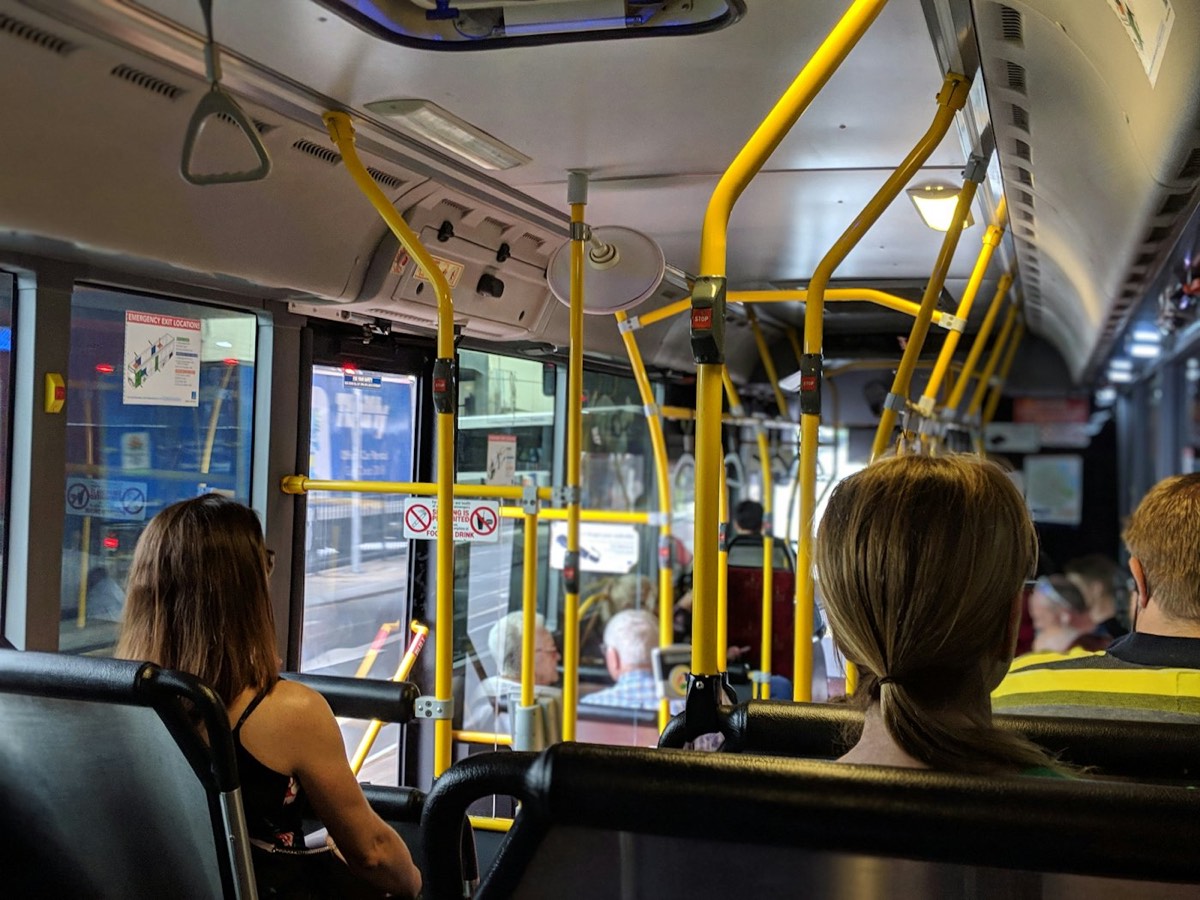
Student transit passes, reduced fares and campus shuttles can lower the cost of riding in, and each has its own sign-up steps.
Fares, parking, meals and long days between classes, for students who travel to campus and go home at night, and the parts of cost of attendance that follow them.
Usually decides: Your school's commuter services office and financial aid office
Student transit passes, reduced fares and campus shuttles can lower the cost of riding in, and each has its own sign-up steps.
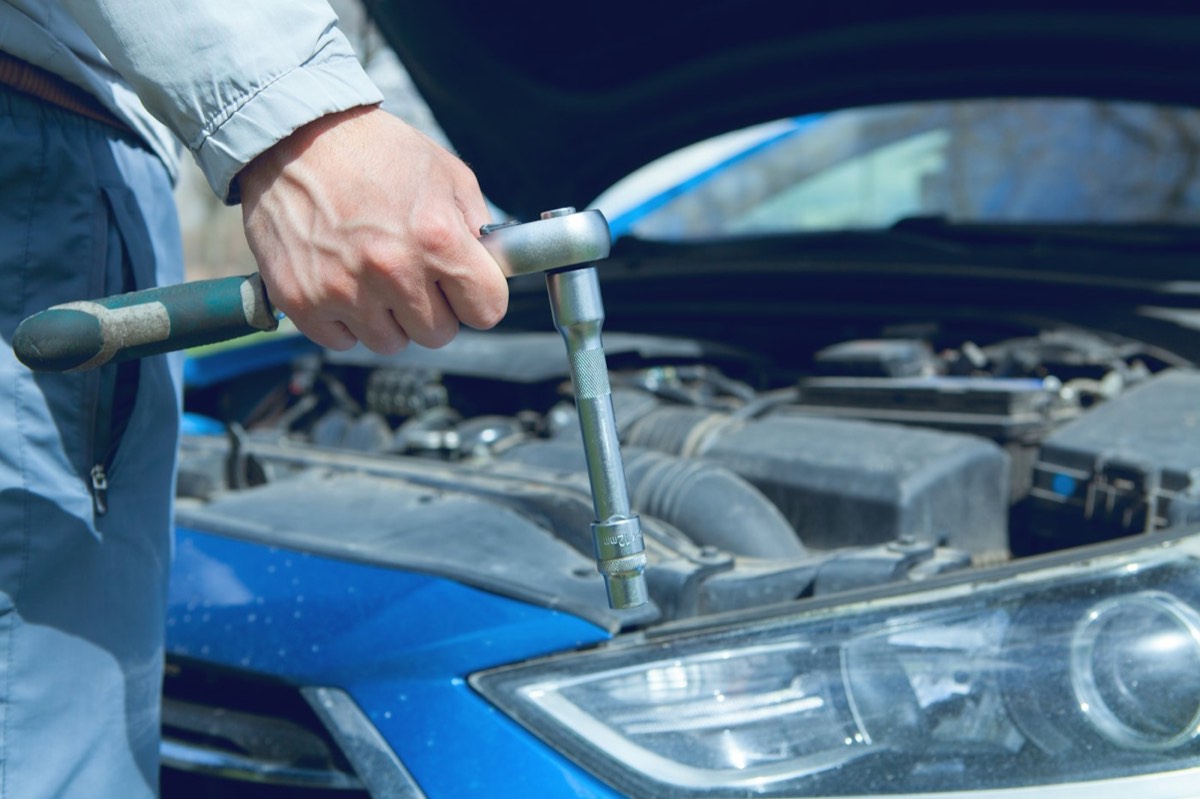
Gas is only part of the bill. Parking, upkeep, tolls and tickets add up, and the aid office can explain its transportation allowance.
Living with parents usually lowers the housing allowance in your aid offer, and it leaves your FAFSA dependency status where it was.
Lockers, commuter lounges, quiet rooms and charging spots make a long day on campus easier when there is no dorm room to go back to.
Commuter meal plans, the campus food pantry and student SNAP rules can keep long days on campus from running on vending machines.
A repair bill mid-term can put your classes at risk. Emergency aid, a budget review and a backup route can keep you enrolled.
Weather, delayed buses and traffic hit commuters first. Learn how closures are announced and what each syllabus allows.
Commuter student groups, midday events, campus jobs and study groups help you belong to a campus you leave each evening.
Crossing a state line to reach class can change the tuition rate you pay and the state grants you can use. Ask early.